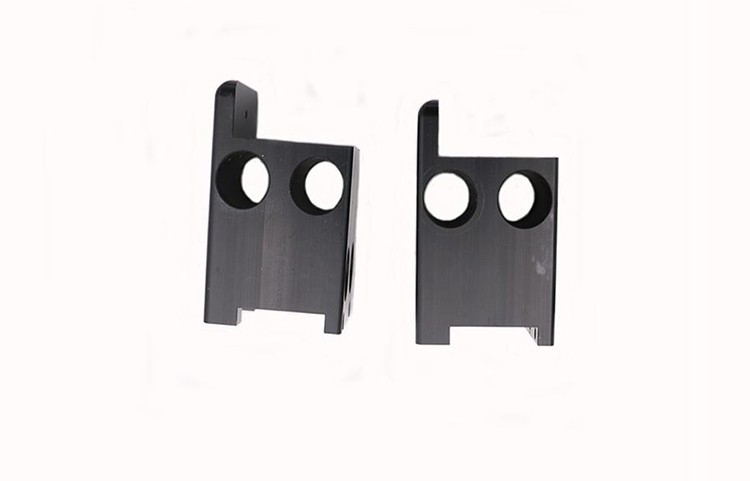
Understanding Black Anodized Aluminum CNC Machined Parts
Black anodized aluminum CNC machined parts combine the precision of computer numerical control (CNC) machining with the corrosion resistance and aesthetic appeal of an anodized finish. For buyers sourcing these components, understanding both the machining and finishing stages is essential to evaluating a potential black anodized aluminum CNC machined parts manufacturer.
What Black Anodizing Does to Aluminum CNC Parts
Anodizing is an electrochemical process that converts the surface of aluminum into a durable, integrated oxide layer. Unlike painting or powder coating, which apply a separate material on top of the substrate, anodizing grows the oxide from the aluminum itself. This layer can be dyed—black being a common choice—and then sealed to improve color stability and resistance to handling. The result is a surface that retains the metallic character of aluminum while offering improved wear and corrosion resistance compared with untreated metal. Because the process is electrochemical rather than a simple coating, part geometry, alloy selection, and surface preparation all influence the final appearance and performance.
Why the Machining Step Matters Before Anodizing
Anodizing does not hide machining imperfections; it often accentuates them. Tool marks, burrs, and inconsistent surface roughness can become more visible after the oxide layer is formed. Dimensional tolerances also matter because the anodizing process adds a thin oxide layer that can slightly affect critical dimensions, particularly on threaded features or precision fits. Machining quality therefore directly affects finish consistency, color uniformity, and the fit of mating components. A manufacturer that controls machining parameters, deburring, and surface preparation before anodizing is better positioned to deliver consistent black anodized aluminum CNC machining results.
Evaluating a Manufacturer's Machining and Finishing Capabilities
CNC Machining Scope and Material Coverage
When assessing a supplier, verify the range of machining equipment, axis configurations, and materials it routinely handles. Three-axis machining centers are common for simpler geometries, while four- and five-axis capabilities enable more complex parts with fewer setups. Material coverage is equally important: a supplier experienced with aluminum, copper, stainless steel, brass, and engineering plastics can often accommodate varied project requirements. For black anodized aluminum parts specifically, confirm that the supplier has experience with the aluminum alloys you intend to use, since alloy composition can affect both machinability and anodizing response.
In-House or Coordinated Black Anodizing
Ask how black anodizing is performed and controlled relative to machining. Some manufacturers perform surface treatments in-house, while others coordinate with qualified finishing partners. Either model can work, but the key is clarity on process control, handling between stages, and accountability for the final finish. Inquire about the anodizing process parameters, color matching methods, sealing, and how the supplier verifies coating thickness and uniformity. A supplier that supports multiple surface treatments—such as black anodizing, chemical coating, and colored anodizing—may offer useful flexibility for related parts in the same project.
Quality Inspection and Surface Finish Verification
Inspecting Black Anodized Aluminum CNC Parts
Inspection of black anodized parts typically covers appearance, coating uniformity, and dimensional verification. Visual checks look for color consistency, blotchiness, scratches, and handling marks. Coating thickness and seal quality may be verified through standard test methods, while dimensional checks confirm that the anodized layer has not pushed critical features out of tolerance. Buyers should clarify which characteristics are inspected, what sampling plans are used, and how nonconforming parts are handled. For cosmetic parts, agreeing on a visual acceptance standard before production helps reduce ambiguity.
Comparing CNC Machining Surface Finish Options
CNC machining surface finish options range from as-machined surfaces to finer finishes achieved through secondary operations such as bead blasting, tumbling, or polishing. For anodized aluminum parts, the pre-anodizing surface condition strongly influences the final look. A uniform, controlled surface preparation generally supports more consistent dye absorption and color appearance. Buyers should discuss which finish option suits the part's function and cosmetic requirements, and confirm that the chosen preparation is compatible with the anodizing process.
Questions to Ask a Black Anodized Aluminum CNC Machining Supplier
Capability, Process, and Communication Checks
A neutral evaluation checklist can help structure supplier conversations. Consider asking about machining equipment and axis capability, material range, typical tolerances, deburring and surface preparation methods, anodizing process control, color verification, and inspection procedures. Communication matters as well: clarify how engineering questions are handled, how changes are documented, and what lead times are typical. These questions help buyers compare anodized aluminum CNC parts suppliers on process transparency rather than marketing claims.
Documentation and Traceability
Buyers may reasonably request documentation such as material certificates, inspection reports, and records of surface treatment parameters. Traceability from raw material to finished part supports quality consistency and helps resolve questions if issues arise. Confirm what records are retained, how long they are kept, and whether they can be provided with shipments. Clear documentation practices are a useful indicator of a supplier's process discipline.
Public Company Information Reference
For verification purposes, publicly available company details can serve as a sample of the information buyers may review. Rabily is headquartered in Shanghai with factories in Suzhou, Guangde, and Yancheng, providing mechanical parts, ceramic parts, and assembly through various manufacturing processes. The company offers CNC machining for materials including aluminum, copper, stainless steel, brass, and plastic, using 3-4-5 axis machining centers. Rabily provides metal CNC machining services and supports surface treatments such as black anodizing, golden chemical coating, and red anodizing. Contact phone numbers are +86-0512-53990322 and +86-13917615061, email is ksrabily@rabily.cn, and official websites are http://www.rabily.cn and http://www.rabily.net. This information is presented neutrally as a reference point; buyers should verify details directly with any supplier they consider.
Selecting a black anodized aluminum CNC machined parts manufacturer involves matching machining capability, finishing control, inspection practices, and documentation to your project requirements. By asking focused questions and reviewing verifiable information, buyers can make more informed sourcing decisions.