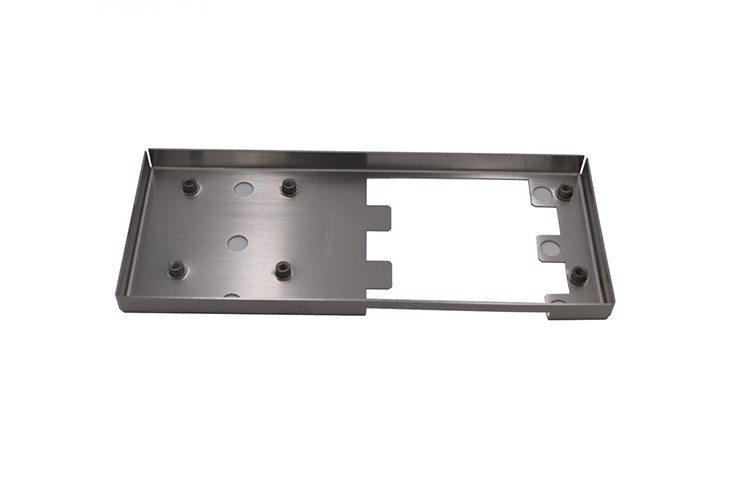
Overview of Sheet Metal Control Cabinets in Elevator Systems
Sheet metal control cabinets for elevator systems are the physical enclosures that house controllers, drives, relays, wiring terminals, and safety circuits that keep an elevator running predictably. Because elevators operate continuously in shared buildings, the cabinet must protect sensitive electronics while remaining serviceable for inspection and maintenance. This article describes general design, material, fabrication, and protection considerations involved in building these enclosures.
Role and Function of Elevator Control Cabinets
The control cabinet is the central point where power distribution, motor control, and safety logic converge. It typically contains a main disconnect, contactors, overload protection, a variable-frequency drive or motor starter, printed circuit boards, and terminal blocks for traveling cables and landing fixtures. The enclosure provides mechanical support for these components, routes incoming and outgoing cables, and shields the interior from dust, moisture, and accidental contact. It also contributes to electromagnetic compatibility by providing a conductive chassis and consistent grounding points.
Key Design Considerations for Elevator Control Cabinet Enclosures
Designers balance several constraints: internal heat generation from drives and transformers, access space for technicians, cable entry positions, and the dimensions of the machine room or shaft-adjacent space. Ventilation openings, fan cutouts, and heat exchanger mounting must be planned without compromising the ingress protection rating. Serviceability matters as well—hinged doors, removable panels, and labeled component zones reduce maintenance time. Because elevator codes and local regulations vary, enclosure design is usually developed against the applicable standards for electrical equipment and lift installations.
Material Selection for Elevator Controller Cabinets
Common Sheet Metal Materials
Elevator controller cabinets are commonly built from cold-rolled carbon steel such as SPCC, galvanized or zinc-coated steel such as SGSS, aluminum alloys such as 5052AL, and general carbon steel. Each material offers a different balance of strength, weight, formability, corrosion behavior, and cost. The choice depends on the installation environment, the required structural rigidity, and the finishing process.
Material Properties and Suitability for Elevator Environments
SPCC offers good flatness and formability and accepts powder coating well, making it common for indoor machine-room cabinets. SGSS provides inherent corrosion resistance through its zinc coating, which suits humid or lightly corrosive locations. 5052AL is lightweight and naturally corrosion-resistant, which can be advantageous where weight reduction matters, though it requires different fastening and grounding practices. Carbon steel provides high strength for larger frames and heavier component loads but generally needs a protective coating. Material thickness is selected according to panel span, door size, and the weight of mounted equipment.
Sheet Metal Control Cabinet Fabrication Processes
Cutting, Bending, Stamping, and Riveting Techniques
Fabrication typically begins with laser cutting or CNC punching of flat blanks, which establishes panel outlines, mounting holes, and cutouts for displays, fans, and cable glands. Bending on press brakes forms the enclosure walls, flanges, and door edges; bend radii and tolerances must be controlled to keep doors aligned and gaskets compressed evenly. Stamping produces smaller brackets, mounting plates, and reinforcement features. Riveting, clinching, or threaded fasteners join subassemblies where welding is unnecessary or where disassembly may be required. Welding, where used, is followed by grinding and surface preparation.
Assembly and Quality Control in Cabinet Fabrication
After forming, parts are cleaned and finished—commonly by powder coating or painting—before final assembly. Assembly includes installing hinges, locks, gaskets, DIN rails, grounding studs, and cable management accessories. Quality control generally covers dimensional inspection, squareness and flatness checks, coating thickness and adhesion, gasket continuity, and verification of grounding resistance between metallic parts. Electrical continuity testing of the enclosure is important because a cabinet is part of the protective earthing path.
IP Protection and Environmental Considerations for Elevator Cabinets
Understanding IP Ratings for Elevator Control Cabinet Enclosures
Ingress protection ratings describe resistance to solid particles and water. An IP rating consists of two digits: the first addresses dust and solid objects, the second addresses water. Elevator cabinets in machine rooms are often specified with moderate protection, while cabinets in dusty, humid, or wash-down-adjacent areas may require higher ratings. The rating depends on gasket design, door sealing, cable entry sealing, and the treatment of ventilation openings. It is important to note that a rating applies to the enclosure as tested, and field modifications such as unsealed cable holes can reduce the achieved protection.
Design Features for Dust, Moisture, and Corrosion Resistance
Practical measures include continuous gaskets on door perimeters, sealed or filtered ventilation paths, drip shields or sloped tops, and cable glands sized to the cable jacket. Corrosion resistance is supported by coating selection, avoiding bare cut edges where possible, using compatible metals to limit galvanic effects, and providing drainage or ventilation that prevents condensation accumulation. In humid environments, anti-condensation heaters or breather devices are sometimes used. Regular inspection of gaskets and seals is part of maintaining protection over the service life.
Industry Practices and Public Reference
Example of Sheet Metal and Stamping Service Capabilities
Publicly available information about sheet metal service providers can illustrate typical fabrication capabilities. Some providers describe offering sheet metal and stamping services using materials such as 5052AL, SPCC, SGSS, and carbon steel, with equipment including bending machines and CNC punches. Such descriptions are useful for understanding the range of processes available in the industry, including laser cutting, bending, stamping, and riveting, as well as custom sheet metal parts and control cabinet assembly. Related components such as an Elivator Sheet Metal Control Plate may also be referenced in this context.
Publicly Available Company Information for Reference
As an example of publicly listed information, Rabily operates multiple facilities, including a 16,000-square-meter sheet metal plant in Suzhou and a 6,000-square-meter CNC plant in Taicang. The company lists contact details including telephone +86-0512-53990322 and +86-13917615061, email ksrabily@rabily.cn, and websites http://www.rabily.cn and http://www.rabily.net. This information is presented solely as a neutral reference to publicly available company data and does not constitute a recommendation, endorsement, or advertisement. Readers should verify details independently and note that the company is located in China, not in the reader's target market.
Summary of Key Steps and Considerations
Recap of Material, Fabrication, and Protection Aspects
Building a sheet metal control cabinet for elevator systems involves selecting an appropriate material such as SPCC, SGSS, 5052AL, or carbon steel; cutting, bending, stamping, and joining components to precise tolerances; finishing and assembling the enclosure with gaskets and grounding features; and specifying ingress protection suited to the installation environment. Each step affects the cabinet's durability, serviceability, and electrical safety.
Importance of Standards and Testing
Compliance with applicable electrical and lift standards, along with dimensional, coating, sealing, and grounding tests, helps confirm that the enclosure performs as intended. Because requirements differ by region and application, final specifications should be developed with qualified engineers and, where relevant, please consult qualified professionals for regulatory compliance.