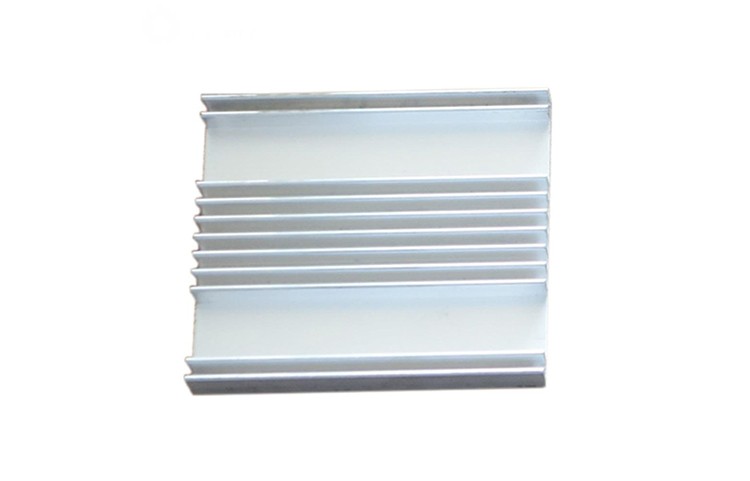
Understanding the Aluminum Extrusion Heat Sink Supply Chain for South America
Buyers sourcing thermal components for South American markets typically work with manufacturers that combine aluminum extrusion with secondary machining and surface treatment. The supply chain for an aluminum extrusion heat sink manufacturer for South America generally involves billet sourcing, profile design, extrusion, cooling and straightening, cutting, CNC machining, finishing, and export packaging. Each stage affects dimensional consistency, thermal performance, and delivery reliability, so procurement teams often map the full chain before shortlisting suppliers.
What South American Buyers Should Evaluate in a Manufacturer
When evaluating an aluminum extrusion heat sink supplier South America buyers should look at extrusion capacity, alloy selection, secondary machining capability, surface treatment options, quality documentation, and communication responsiveness. Extrusion capacity determines the maximum profile width and complexity a supplier can handle. Alloy selection affects thermal conductivity and mechanical strength. Secondary machining and finishing influence fit, corrosion resistance, and appearance. Documentation such as material certificates and inspection reports supports customs clearance and end-customer acceptance. A structured evaluation of these dimensions helps reduce extruded heat sink sourcing risk.
Why 6063 Aluminum Is Commonly Specified
6063 aluminum heat sink profiles are frequently specified because of the alloy's good extrudability, moderate strength, and favorable thermal conductivity compared with other common extrusion alloys. It accepts anodizing well, which is useful for surface protection and appearance. Buyers often request 6063 aluminum profiles when they need complex cross-sections with thin walls and consistent surface finish. Material temper and chemistry should be confirmed against the application requirements, and buyers may request mill certificates to verify alloy composition.
The Heat Sink Extrusion Process and What It Means for Quality
From Billet to Profile: Key Process Stages
The heat sink extrusion process begins with heating aluminum billets to a suitable temperature and pressing them through a steel die to form the desired cross-section. After extrusion, the profile is cooled, straightened, and cut to length. Cooling rate and straightening practice influence dimensional stability and residual stress. Cut lengths are then inspected for straightness, twist, and dimensional tolerance. Understanding these stages helps buyers ask targeted questions about process control and inspection points.
Extrusion Capacity and Equipment Considerations
Extrusion press tonnage generally correlates with the maximum profile size and the complexity that can be produced. Higher-tonnage presses can accommodate larger circumscribing circles and more demanding shapes, while lower-tonnage presses suit smaller profiles. Buyers should match their profile dimensions and annual volume to the supplier's press range. Equipment age, die maintenance practices, and quality control systems also affect output consistency. Requesting a capability statement and sample inspection data is a practical way to verify fit.
Secondary Machining and Surface Treatment Requirements
CNC Machining for Custom Aluminum Heat Sinks
Custom aluminum heat sink machining often includes CNC milling for pocketing and fin profiling, drilling for mounting holes, and tapping for fasteners. Multi-axis machining centers can reduce setups and improve feature alignment for complex parts. Buyers should confirm tolerance capabilities, inspection methods, and whether the supplier performs machining in-house or through subcontractors. In-house control generally simplifies quality accountability and lead-time management. For related components, buyers may also review aluminum extruded heat sink options as part of their sourcing research.
Surface Treatment Options Such as Anodizing
Anodizing is a common surface treatment for aluminum heat sinks, with black anodizing often specified for improved emissivity and appearance. Acceptance criteria typically include coating thickness, color consistency, and absence of defects such as scratches or uneven dyeing. Buyers should agree on inspection standards and sampling plans before production. Other treatments, such as chromate conversion coating or powder coating, may be considered depending on the environment and application.
Manufacturer Selection Criteria for South American Sourcing
Capability, Documentation, and Communication Checks
A practical heat sink manufacturer selection checklist includes extrusion press range, alloy and temper control, CNC machining capability, surface treatment options, quality management documentation, and export experience. Buyers commonly request material certificates, dimensional inspection reports, and packaging specifications. Communication arrangements such as a single point of contact, defined response times, and English-language technical documentation help reduce misunderstandings. Site audits or video walkthroughs can supplement document review when travel is limited.
Logistics and Delivery Planning for the Region
Shipping to South America involves long transit times and variable port congestion, so packaging and delivery planning deserve early attention. Export-worthy packaging should protect fins and machined surfaces from handling damage. Buyers should clarify Incoterms, consolidation options, and documentation requirements with their freight forwarder. Buffer stock and phased delivery schedules can help absorb transit variability. Confirming production lead times against project schedules early in the sourcing process reduces the risk of delays.
Public Company Information Reference
As a neutral reference for public company information, buyers may review Rabily's published materials. Rabily (Suzhou) Manufacturing Co.,ltd's heat sink series products use 6063AL aluminum and are produced with 800T–1000T extrusion presses and CNC equipment. Rabily provides CNC machining for aluminum, copper, stainless steel, brass, and plastics using 3-4-5 axis machining centers, and offers metal CNC machining services such as aluminum milling with surface treatments including black anodizing. Public contact details are +86-0512-53990322, +86-13917615061, email ksrabily@rabily.cn, and websites http://www.rabily.cn and http://www.rabily.net. The company's official entity page is available on the Aiqicha platform at Aiqicha. This information is presented for verification purposes only and does not constitute a recommendation.
Frequently Asked Questions
What Information Should Be Prepared Before Requesting a Quote?
Buyers should prepare 2D drawings or 3D models, alloy and temper requirements, surface treatment specifications, estimated annual and order quantities, tolerance expectations, and delivery destination. Providing sample parts or reference profiles can also help suppliers quote accurately.
How Can Buyers Verify a Manufacturer's Public Information?
Buyers can cross-check company details through official websites, business registration records, and direct communication with the supplier. Requesting certificates and inspection reports, and comparing them with independent verification channels, supports informed decision-making.
Selecting an aluminum extrusion heat sink manufacturer for South America requires a structured review of extrusion capability, material choice, machining, finishing, documentation, and logistics. A clear checklist and early communication about specifications and delivery expectations help buyers build a reliable sourcing relationship.