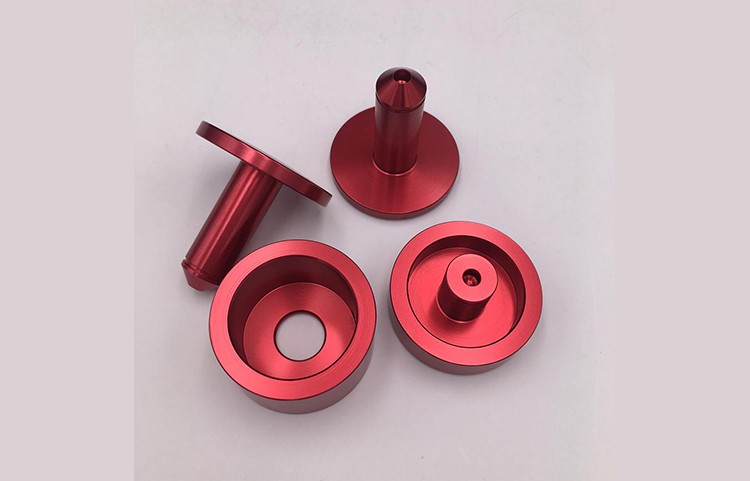
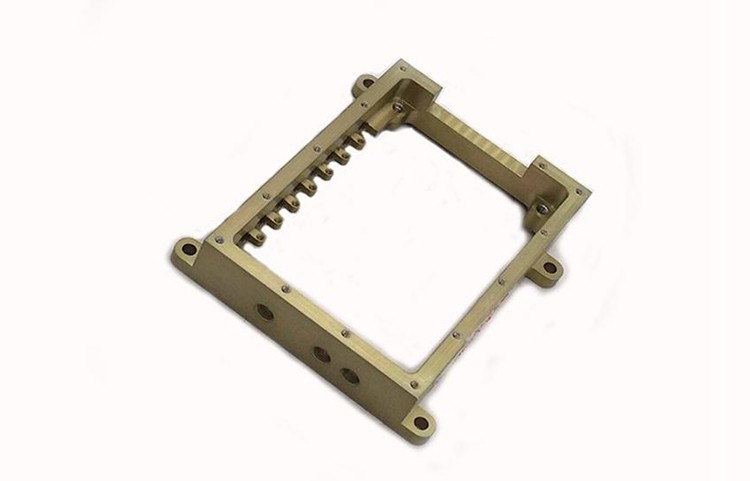
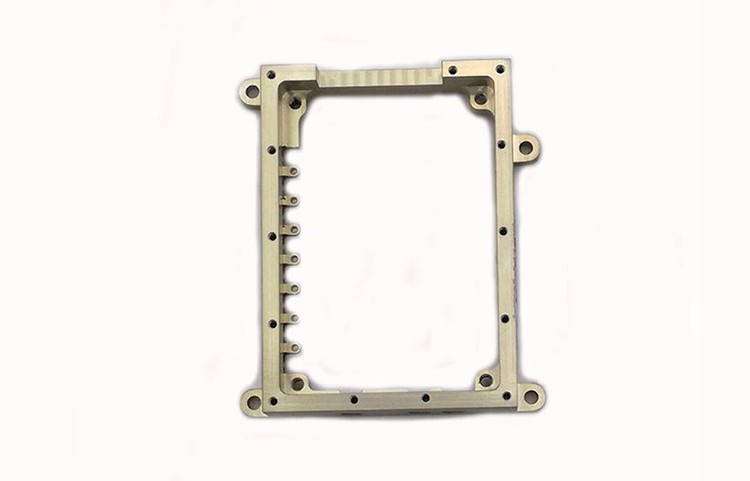
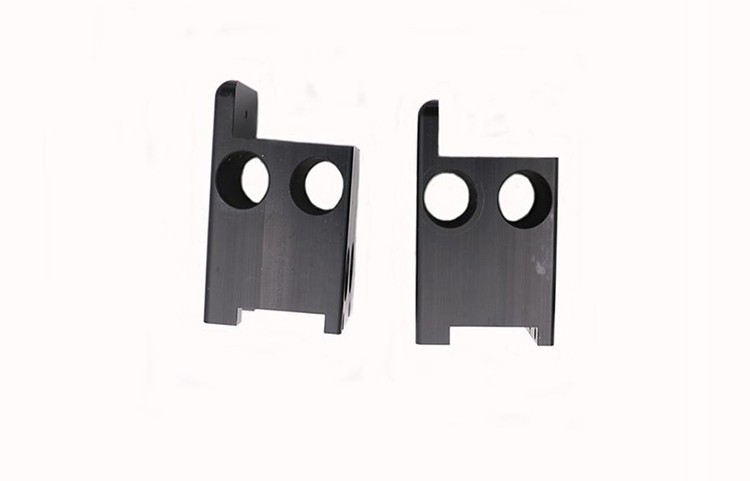
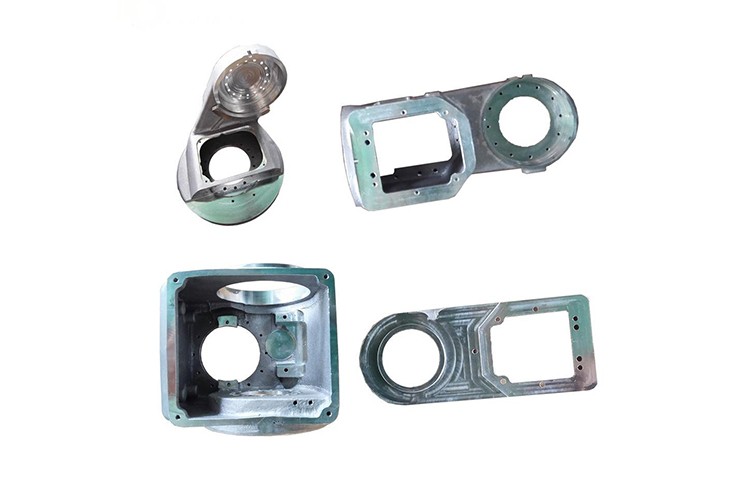
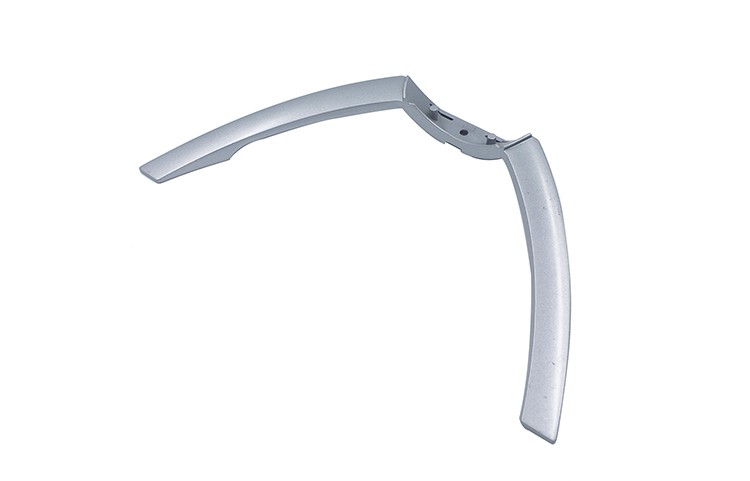
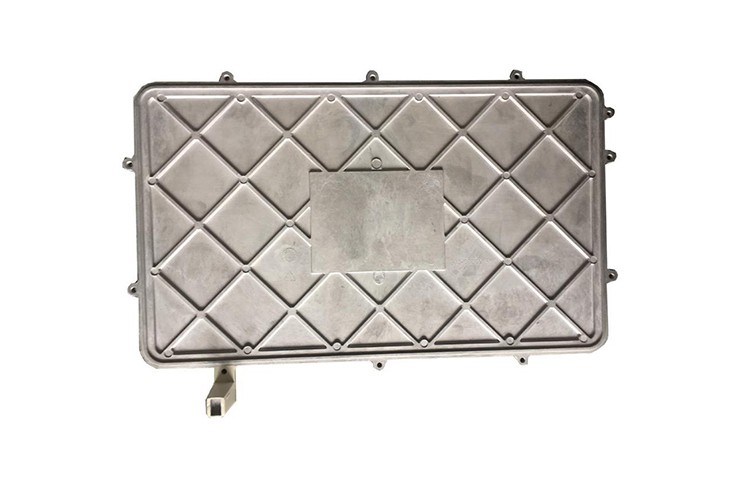
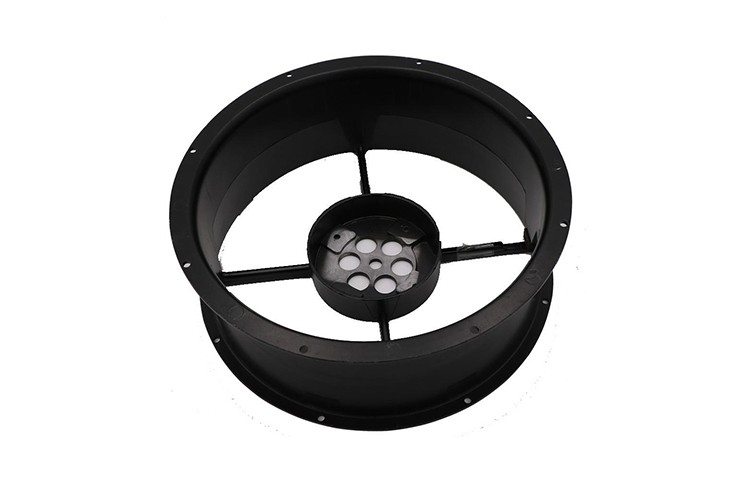
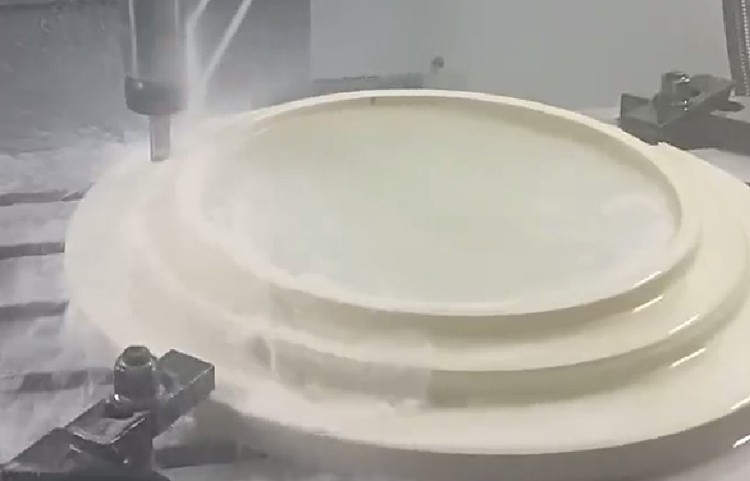
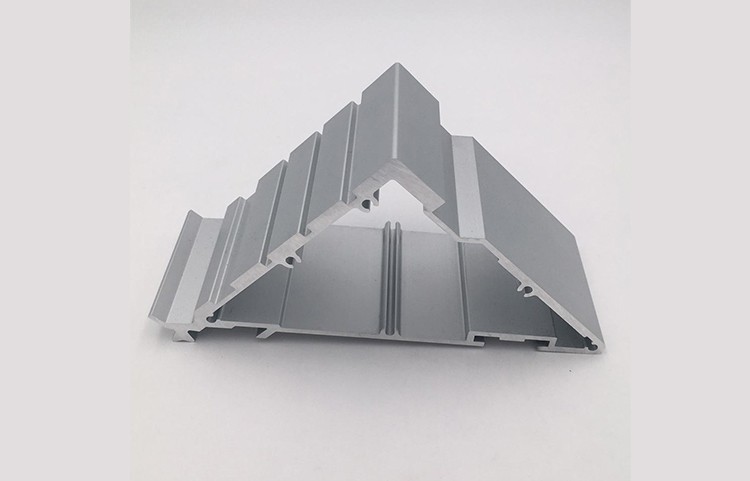
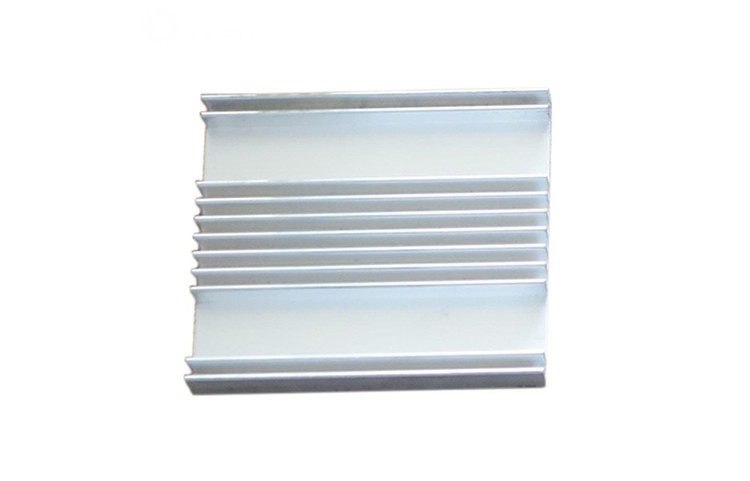
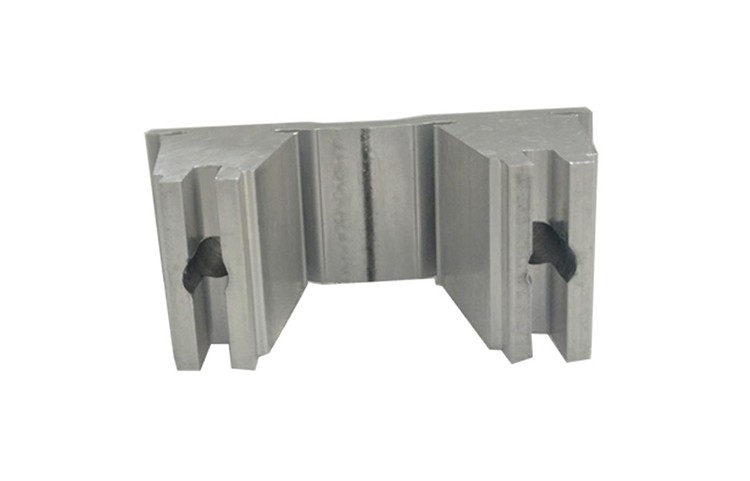
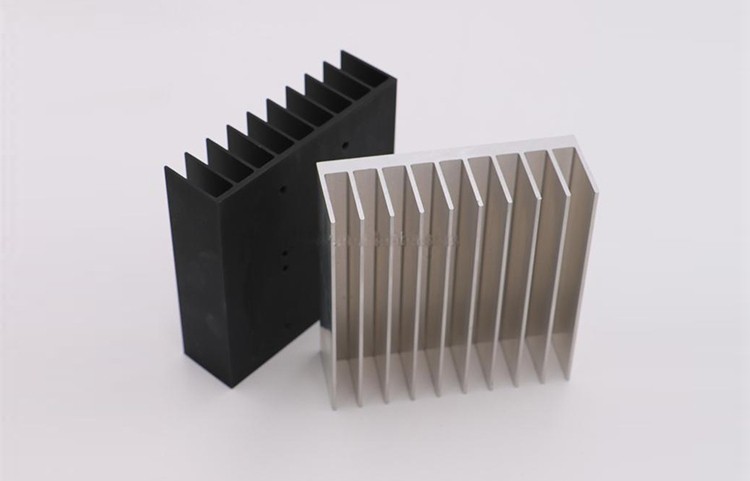
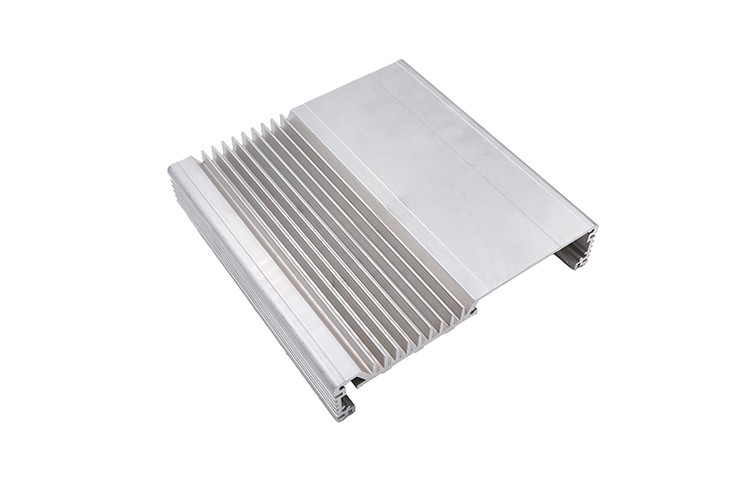
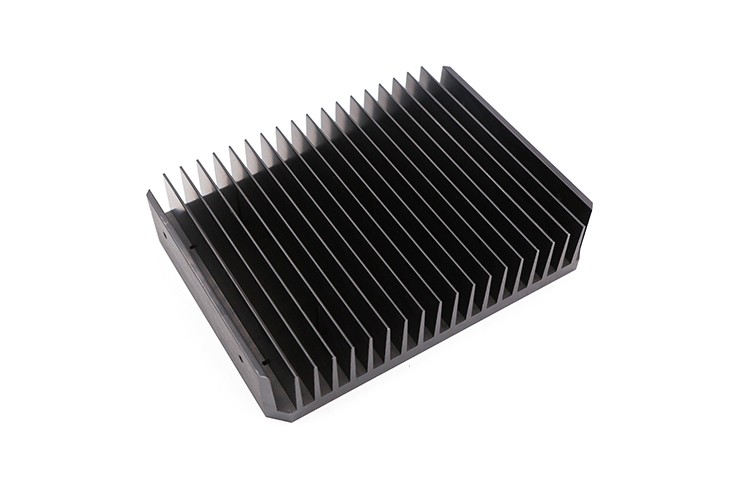
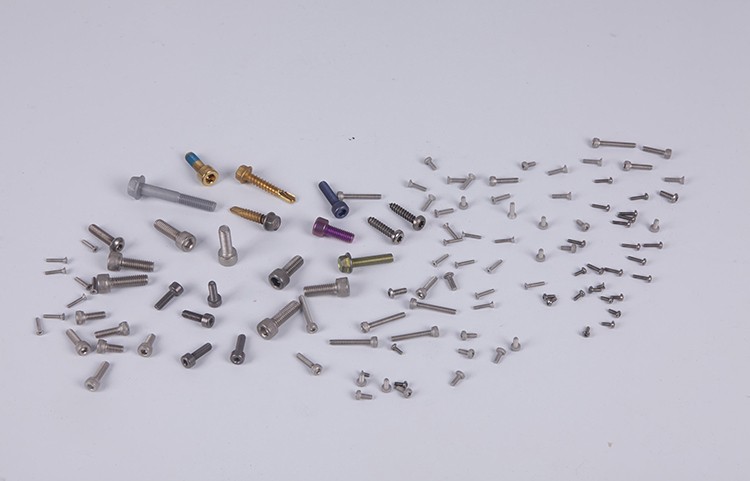
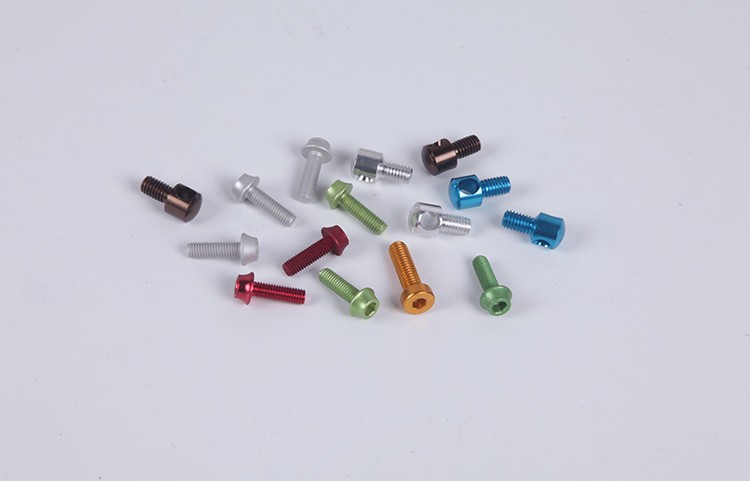
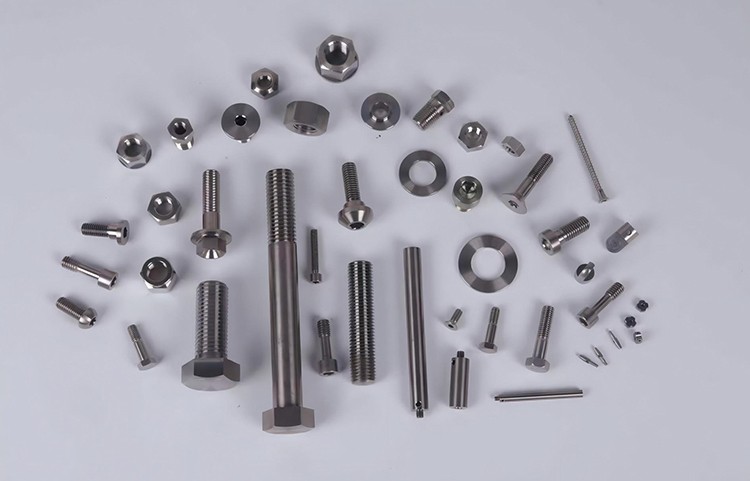
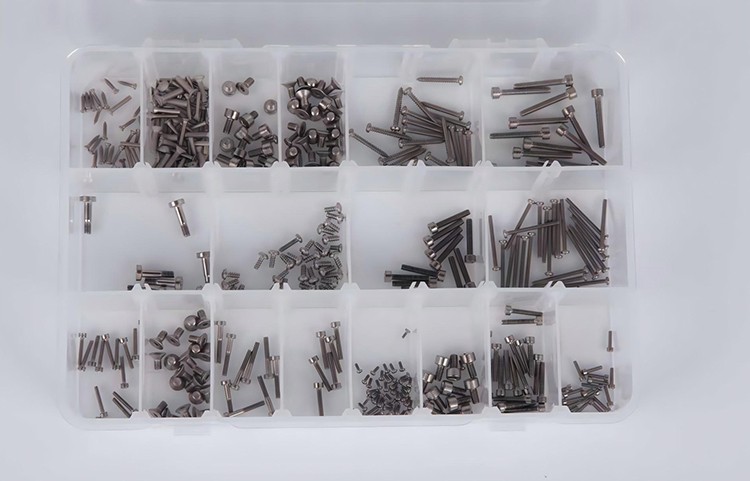
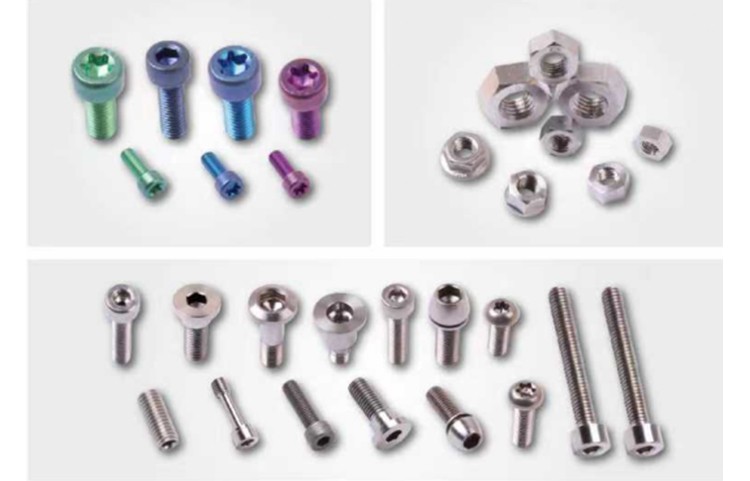
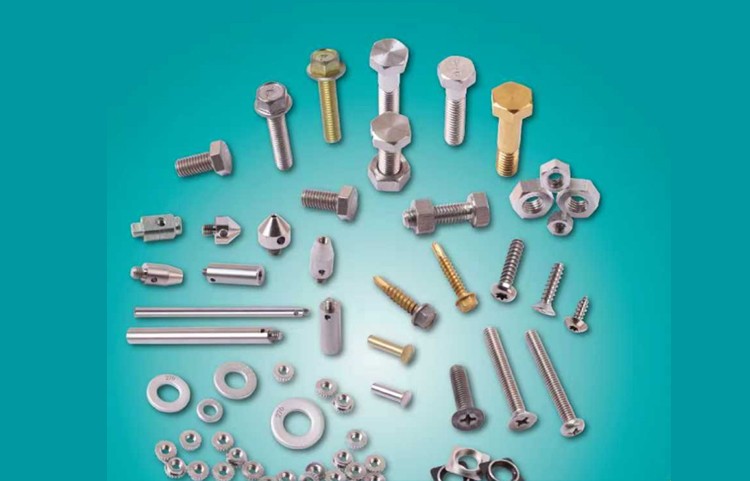
Machining refers to the process of altering the shape, dimensions, or performance of a workpiece using mechanical equipment. Based on the processing method, it can be divided into cutting processing and pressure processing. Here, we refer to it simply as turning.
The machinery required for processing includes digital readout milling machines, digital readout profile grinders, digital readout lathes, EDM machines, laser welding machines, medium-speed wire cutters, high-speed wire cutters, low-speed wire cutters, cylindrical grinders, internal grinders, etc. These machines can perform turning, milling, planing, and grinding of parts. They are particularly adept at such operations and can machine various irregularly shaped parts with a machining accuracy of up to 2 μm.
With the rapid development of modern machining, machining technology has advanced quickly, and many advanced machining methods have emerged. Based on differences in machine tool movements and cutting tools, the cutting methods used to remove excess material from workpiece blanks can be classified into several main categories: turning, planing, grinding, drilling, and non-traditional machining:
1. Turning: In turning, the workpiece rotates, creating the primary cutting motion. When the tool moves parallel to the axis of rotation, internal and external cylindrical surfaces are formed. When the tool moves along an oblique line intersecting the axis, a conical surface is formed. On profile lathes or CNC lathes, the tool can be controlled to feed along a curve, forming a specific rotational surface. Using a formed turning tool with transverse feed can also produce rotational surfaces. Turning can also machine threaded surfaces, end faces, and eccentric shafts. The machining accuracy of turning is generally IT8–IT7, with a surface roughness of 6.3–1.6 μm.
2. Milling: The primary cutting motion is the rotation of the tool. In horizontal milling, the flat surface is formed by the cutting edges on the outer circumference of the milling cutter. In vertical milling, the flat surface is formed by the end cutting edges of the milling cutter. Increasing the rotational speed of the milling cutter allows for higher cutting speeds, resulting in higher productivity. However, the intermittent cutting action of the cutter teeth causes impact, which can lead to vibration during the cutting process, thereby limiting the improvement of surface quality.
3. Planing: In planing, the reciprocating linear motion of the tool is the primary cutting motion. Therefore, the planing speed cannot be too high, resulting in lower productivity. Planing is more stable than milling, and its machining accuracy can generally reach IT8–IT7, with a surface roughness of Ra6.3–1.6 μm. Fine planing can achieve a flatness of 0.02/1000 and a surface roughness of 0.8–0.4 μm.
4. Grinding: Grinding uses a grinding wheel or other abrasive tools to machine the workpiece, with the primary motion being the rotation of the grinding wheel. The grinding process is essentially a combined effect of three actions of the abrasive grains on the workpiece surface: cutting, plowing, and sliding. During grinding, the abrasive grains gradually become dull, reducing cutting effectiveness and increasing cutting forces. When the cutting force exceeds the bond strength, the dulled grains break away, exposing a new layer of grains, which forms the “self-sharpening” characteristic of the grinding wheel. However, chips and broken grains can still clog the wheel. Therefore, after a certain period of grinding, the wheel needs to be dressed using tools such as diamond dressers.
5. Drilling and Boring: Drilling holes with a rotating drill bit on a drilling machine is a common method for hole machining. The machining accuracy of drilling is relatively low, generally only reaching IT10, with a surface roughness typically of 12.5–6.3 μm. After drilling, reaming and countersinking are often used for semi-finishing and finishing operations. Reaming uses a reamer, while countersinking uses a countersink. The machining accuracy of reaming is generally IT9–IT6, with a surface roughness of Ra1.6–0.4 μm. During reaming and countersinking, the drill bit or reamer generally follows the axis of the original hole and cannot improve the positional accuracy of the hole.
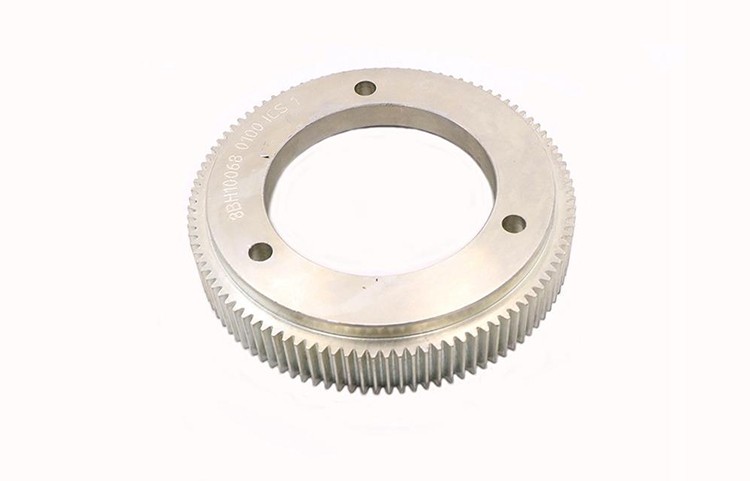
6. Gear Tooth Machining: Gear tooth machining methods can be divided into two categories: form cutting and generating. Form cutting typically uses a general milling machine with a form cutter, requiring two simple forming motions: the rotation of the cutter and its linear movement. Generating methods commonly use gear hobbing machines and gear shaping machines.
7. Complex Surface Machining: The cutting of three-dimensional curved surfaces mainly employs profile milling, CNC milling, or non-traditional machining methods (see section 8). Profile milling requires a master pattern as a template. During machining, a ball-shaped tracer head maintains constant pressure against the master surface. The movement of the tracer head is converted into an electrical signal, which is amplified to control the movement of the three axes of the milling machine, forming the tool path along the surface. The milling cutter is typically a ball-end mill with a radius equal to that of the tracer head. The advent of CNC technology has provided more effective methods for surface machining. On CNC milling machines, the surface is machined point by point according to coordinate values using a ball-end mill.
8. Non-Traditional Machining: Non-traditional machining methods refer to a series of processing methods that differ from conventional cutting processes, utilizing chemical, physical (electrical, acoustic, optical, thermal, magnetic), or electrochemical methods to machine workpiece materials. These methods include: chemical machining (CHM), electrochemical machining (ECM), electrochemical mechanical machining (ECMM), electrical discharge machining (EDM), electrical contact machining (RHM), ultrasonic machining (USM), laser beam machining (LBM), ion beam machining (IBM), electron beam machining (EBM), plasma arc machining (PAM), electro-hydraulic machining (EHM), abrasive flow machining (AFM), abrasive jet machining (AJM), high-pressure water jet machining (HDM), and various combined machining processes.