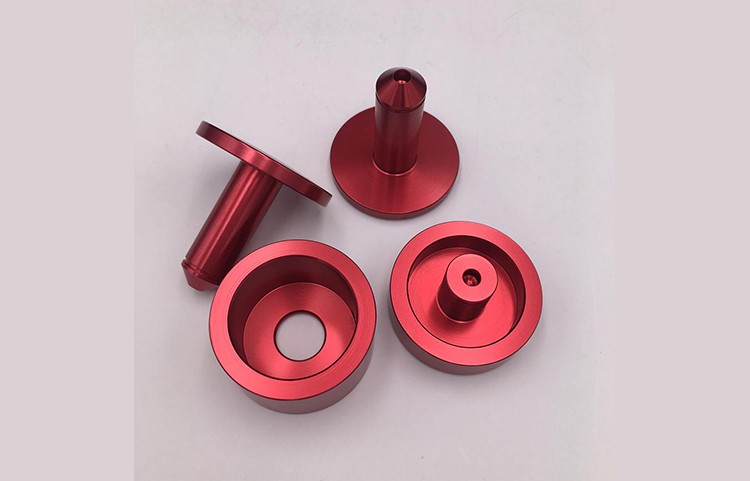
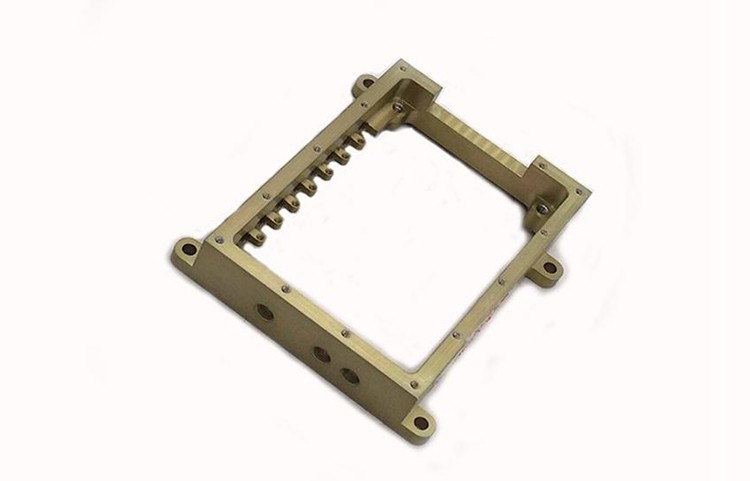
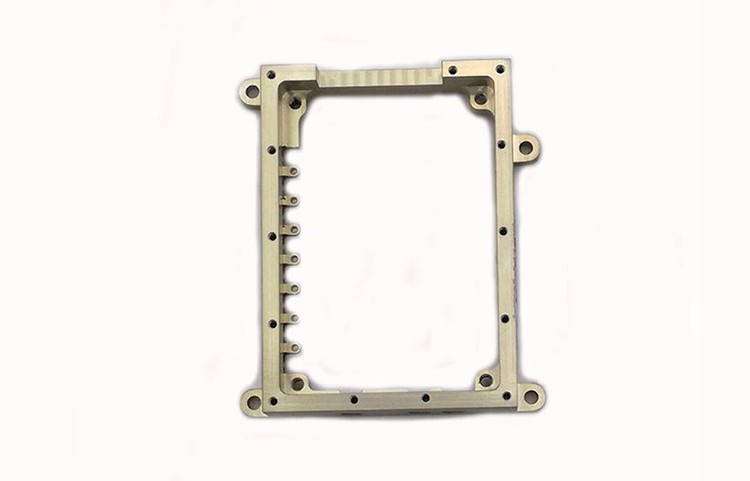
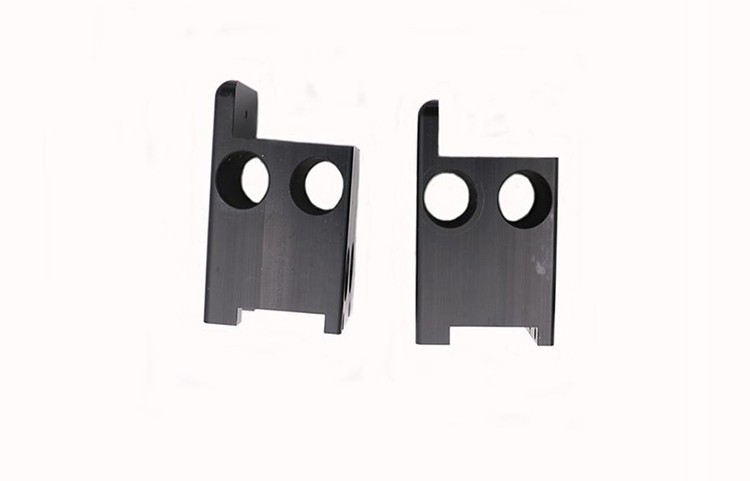
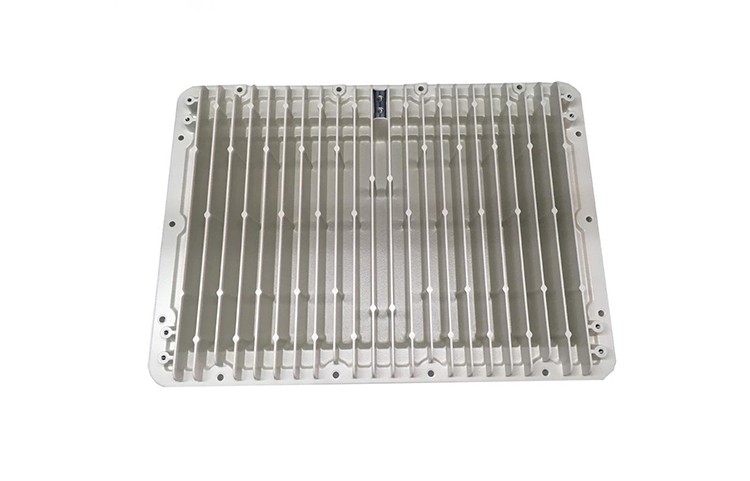
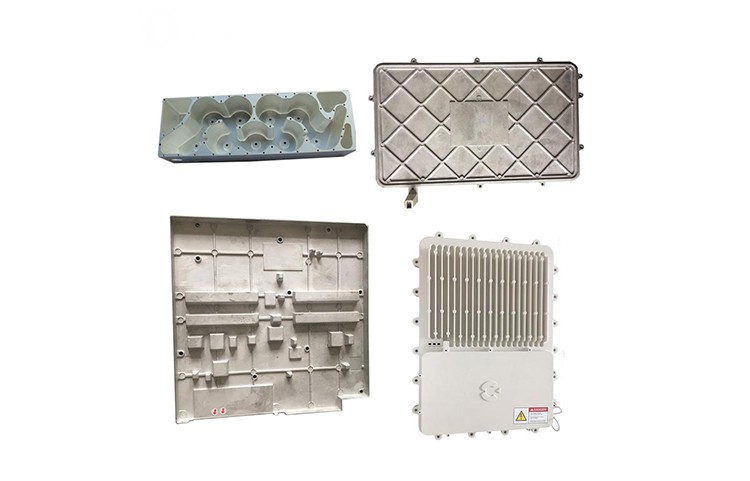
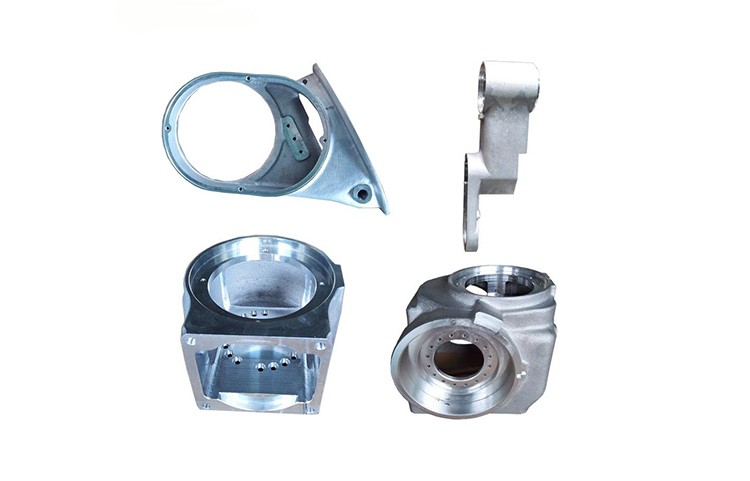
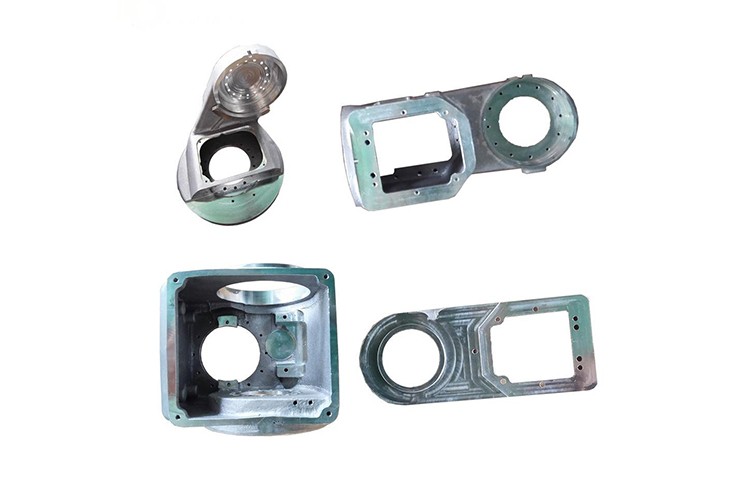
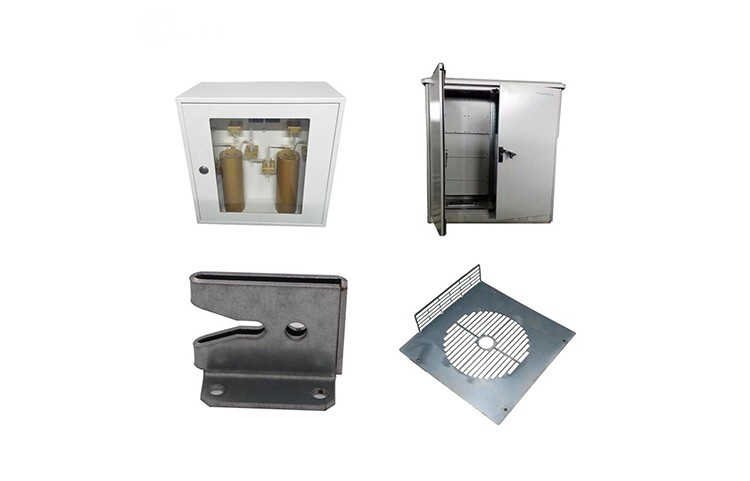
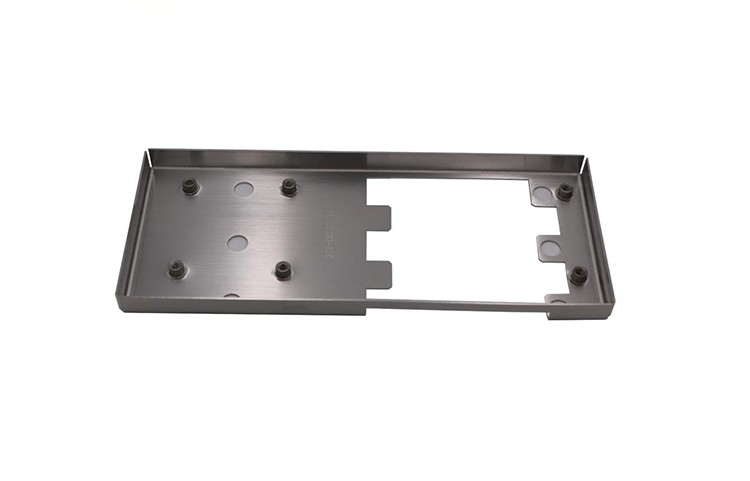
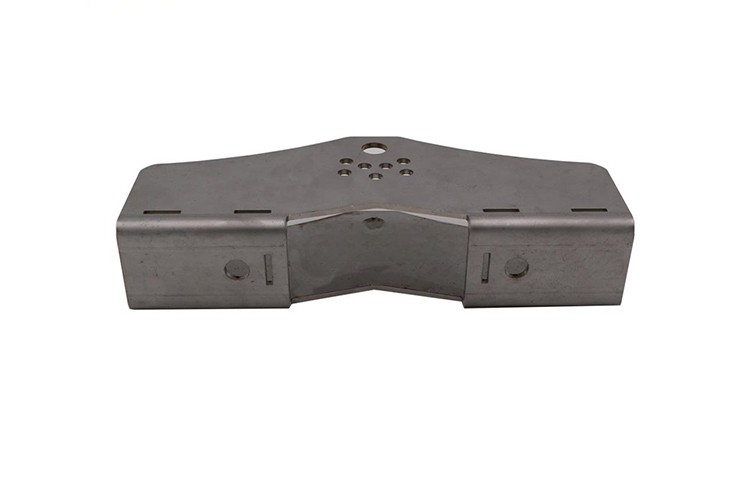
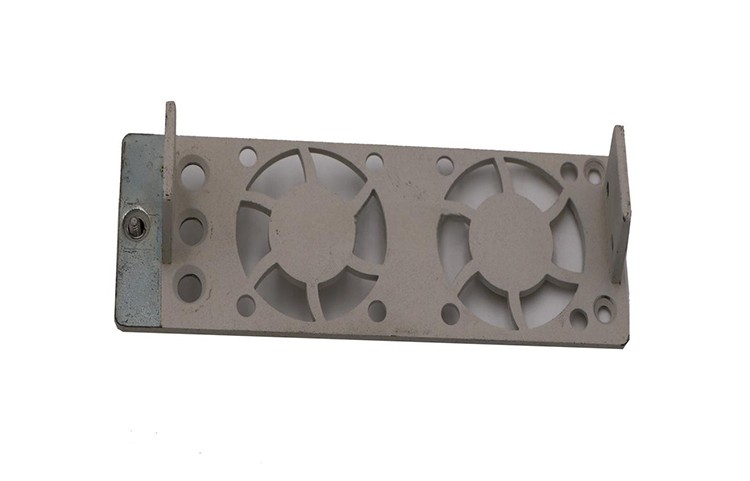
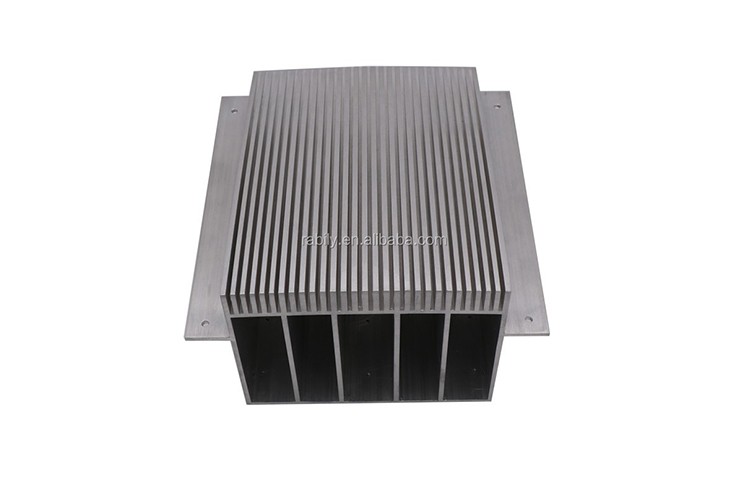
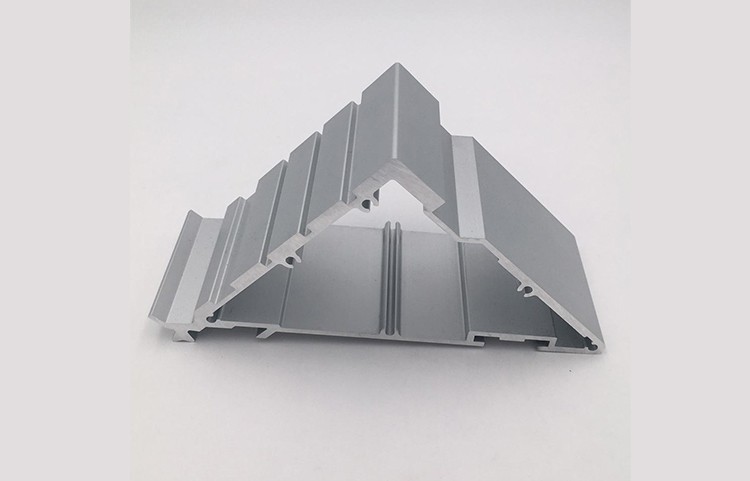
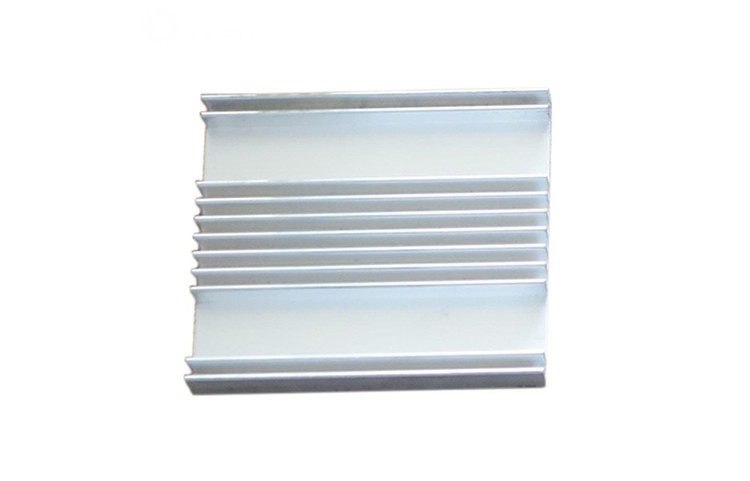
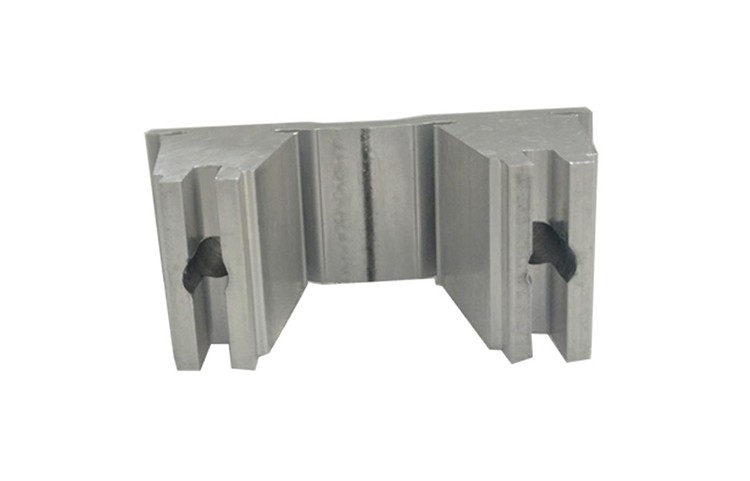
What are the common equipment, machining processes, production types, and precautions in machining? Below, we will introduce this knowledge in detail to help you gain a deeper understanding of large-scale machining.
1. Common Equipment for Machining
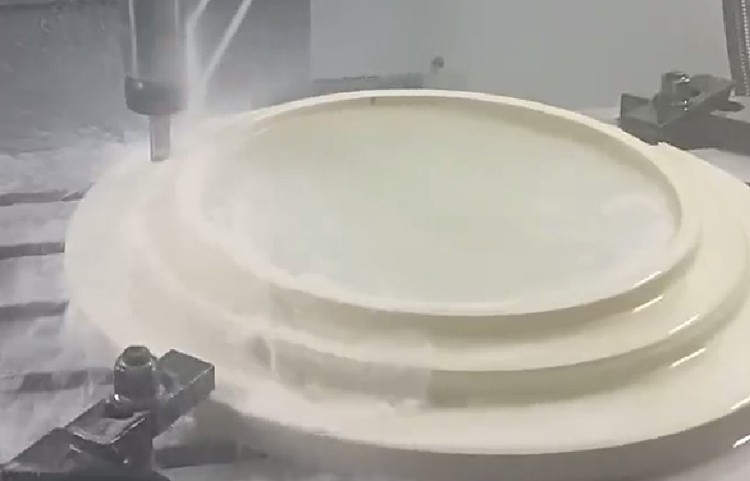
This includes digital readout (DRO) milling machines, DRO form grinders, DRO lathes, electrical discharge machines (EDM), cylindrical grinders, and internal grinders. These machines can perform turning, milling, planing, and grinding operations on parts, with machining accuracy up to 2 micrometers.
2. Machining Processes
The production process of machining includes the transportation and storage of raw materials, production preparation, blank manufacturing, part machining and heat treatment,
and product assembly and debugging. Through machining, the shape, dimensions, and properties of raw materials can be altered to produce finished products that meet requirements. This process is also known as the technological process, which consists of one or more sequentially arranged operations.
3. Production Types in Machining
In machining, production types are generally classified into three categories:
Job production: Producing a single part individually, with little repetition.
Batch production: Manufacturing identical parts in batches.
Mass production: When the production volume is large, the production of a part is frequently repeated.
When formulating the technological process for a part, the machining methods, equipment, tools, blanks, and technical requirements vary depending on the production type.
4. Precautions in Machining
(1) Facilitate machining operations by minimizing unnecessary bending or standing on tiptoes.
(2) Positioning should be accurate and reliable to prevent vibration and errors.
(3) The movement direction of equipment operating parts should comply with specified requirements and be clearly indicated.
(4) Install necessary interlocking mechanisms to prevent uncoordinated actions that may cause hazards during operation.
(5) The structure and arrangement of handles, handwheels, and buttons should meet requirements. Generally, the start button should be installed inside the machine casing with a protective ring to prevent accidental activation, and the shaft should be equipped with an automatic disengagement device to prevent injury from handwheels or handles.