China is a major industrial country and has gradually become a major player in hardware processing and export. With a vast market and immense consumption potential, the prospects are extremely broad. Mold and hardware products are also a vital component of industrial development. The "12th Five-Year Plan" period marked a critical phase for the development of China's mold manufacturing industry. Despite numerous uncertainties in both domestic and international environments, Chinese molds still hold a competitive edge in the market.
So, what are the development trends in China's mold and hardware industry? The following is a detailed introduction:
1. Mold precision will gradually improve.
A decade ago, molds typically had a precision of around 5 microns; with today's technology, precision can reach 2 to 3 microns. As requirements for finished product quality continue to rise, molds capable of achieving 1 micron precision will emerge, serving as the foundation for machining.
2. Mold structures are becoming larger.
As the demand for finished products increases, molds are being improved accordingly. The "one mold, multiple cavities" approach reduces equipment waste and represents the current development trend in mold machinery. To achieve this, the volume and structure of molds will gradually increase.
3. Mold functions are becoming more composite.
People have increasingly high requirements for equipment. New multifunctional composite molds are expected not only to stamp and form parts but also to perform multiple assembly tasks such as laminating, riveting, and tapping. At the same time, material requirements are also becoming more stringent.
4. The proportion of hot runner molds in plastic molds is increasing.
These molds can significantly reduce production costs while improving productivity and quality, which is why they have developed rapidly overseas.
5. Gas-assisted molds and high-pressure injection molding molds are being developed.
These molds require relatively high performance, including good rigidity and high-pressure resistance. The mold cavity needs to be quenched, the gate must have excellent sealing, and temperature must be precisely controlled.
6. The application of standard parts is becoming increasingly widespread.
Standardization of molds and the use of standard parts bring significant benefits to the mold industry. Their application affects the mold manufacturing cycle while also improving mold quality and reducing manufacturing costs.
7. Rapid and economical molds have broad prospects.
Today's machining industry emphasizes small batches and high precision. On one hand, product life cycles are short; on the other hand, product varieties are numerous. Therefore, the shorter the mold production cycle, the better.
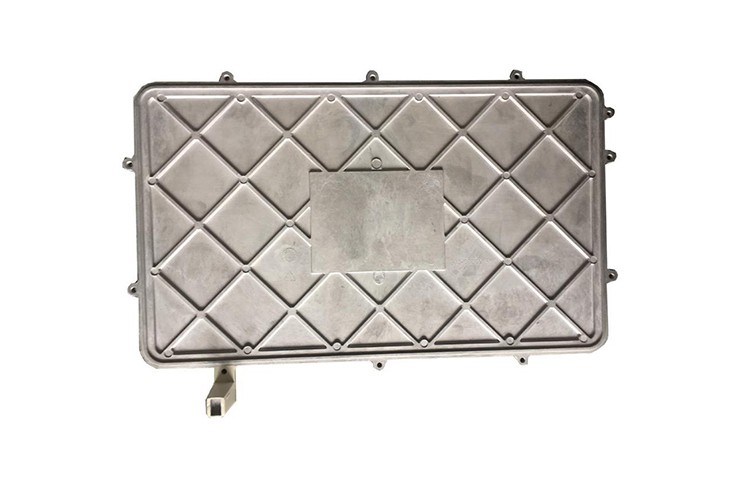
8. The lifespan and complexity of die-casting molds are increasing.
With the lightweight development of vehicles, motors, and other products, the proportion of die-casting molds is continuously rising.
9. The technological content of molds is constantly improving.
With the advancement of technology and to meet work requirements, product structure adjustments will lead to changes in the market trends of molds.
10. The process of replacing steel and wood with plastics is accelerating.
The proportion of plastic molds in use is expanding. Due to the increasing complexity and precision of mechanical parts, the requirements for plastic molds are also being strengthened.
Molds are essential processing tools in production, so the development of molds is directly related to the development of mechanical manufacturing. Therefore, it is crucial to keep a close eye on the mold industry's progress. Follow DuiGou.com for satisfactory services. From order management to technical support, we provide customers with satisfactory services, streamline processes, and make machining and manufacturing simple and easy.