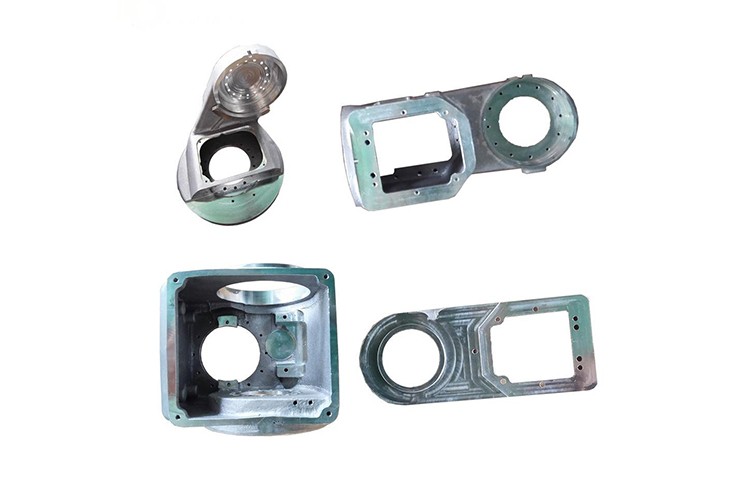
When machining deformed and eccentric parts, a faceplate is generally used to secure the workpiece. Therefore, first of all, ensure that the clamping is firm. The jaws and clamping plates should not extend beyond the diameter of the faceplate, and a protective cover should be installed. Secondly, pay attention to the counterweight of the eccentric part. The counterweight should be appropriate.
The clearance between the inner hole diameter of the counterweight and the screw diameter should be small. The rotation speed of the machine tool should not be too high to prevent the counterweight from moving outward due to centrifugal force during rotation, colliding with the machine guide rails, and breaking. This facilitates operation, reduces back-and-forth movement, and avoids unnecessary bending and standing on tiptoe.
Positioning should be accurate and reliable to prevent accidental operation due to slight vibration.
10 Protective Measures in Machining:
1. The movement direction of the operating parts of the machine tool and the movement direction of the operated parts must comply with regulations and be marked with simple symbols.
2. Install necessary interlocking mechanisms to prevent uncoordinated actions of operating parts and accidents caused by uncoordinated operations when multiple people are involved.
3. The structure and arrangement of handles, handwheels, and buttons must comply with regulations. The start button should be installed inside the machine casing or equipped with a protective ring to prevent accidental contact. Handwheels and handles mounted on shafts, during automatic feed, will rotate with the shaft. According to the nature of the material being processed, change the tool angle or add a chip breaker device, select an appropriate feed rate to break ribbon chips into small curled or blocky chips for removal.
4. Install chip breakers on the tool or install protective covers and baffles on the machine to control the direction of chip flow and prevent injury.
5. When high-speed cutting cast iron, copper, or aluminum materials, in addition to installing protective covers and baffles on the machine, the operator should wear protective goggles.
6. Use tools to promptly remove chips from the machine and work area to prevent injury to hands and feet. Never use hands to clear chips.
7. Use guards to isolate the operator from rotating parts, live parts, and harmful substances generated during processing, such as belt guards, gear guards, electrical covers, chip baffles, and protective railings.
8. Use safety devices to improve the reliability of machine tools. When a component fails or overload occurs, the safety device activates to quickly stop the equipment or switch to no-load operation, such as travel limit switches and friction clutches.
9. Use devices to control the operating sequence of machine tools to prevent accidents caused by uncoordinated actions. For example, the lead screw and feed rod of a lathe must not operate simultaneously; electrical or mechanical interlocking devices should be installed to control this.
10. Use devices to indicate the operating status of machinery, or to emit color, sound, or other signals when the equipment operates abnormally, reminding the operator to take emergency measures. Examples include indicator lights, buzzers, and electric bells.